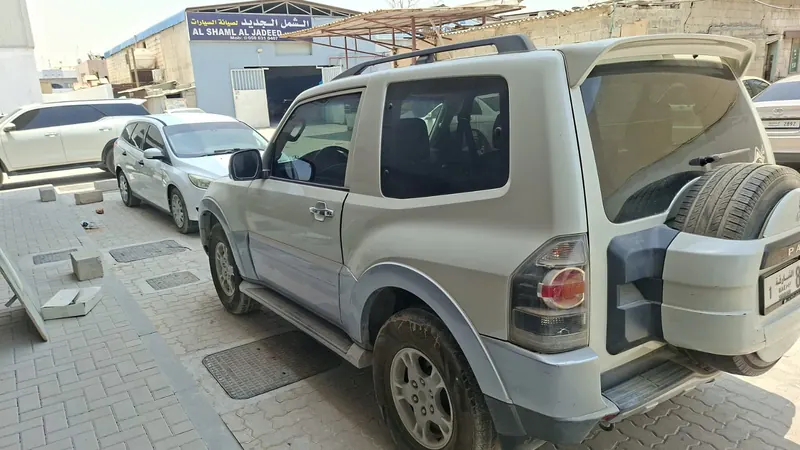
A car-park door ding, a shopping trolley, a low bollard, a minor bump in traffic — dents are a fact of life in busy Sharjah streets. The good news is that not every dent needs filler, sanding and a fresh coat of paint. Depending on where the dent is and what's happened to the paint, it can often be repaired in one of two very different ways: paintless dent repair (PDR), or a traditional dent-and-paint job.
What is paintless dent repair?
PDR is a technique where the technician works the metal back into shape from behind the panel — using specialised rods and tools — or pulls it from the outside with glue tabs. Because the original factory paint is never broken, there's no filler, no repainting and no colour matching to worry about. Done well, the dent simply disappears.
PDR usually works when:
- The paint is not cracked, chipped or scratched through
- The dent is shallow and smooth, like a door ding or a hail dent
- The metal isn't sharply creased or stretched
- The technician can get access behind the panel, or the dent suits pulling
When a panel needs dent and paint
If the paint is damaged, the metal is creased or stretched, or the damage is on a sharp body line or panel edge, PDR won't give a good result. Then the job becomes a traditional repair:
- Panel beating — the metal is straightened as close to the original shape as possible
- Filling and shaping — a thin layer of filler is used only where needed, then sanded to the exact contour
- Primer — seals the bare metal and filler and creates a base for the paint
- Colour-matched paint and clear coat — mixed to your car's paint code and blended into the neighbouring panels so there's no visible edge
Plastic bumpers are a different case again: scuffs, cracks and broken mounting tabs can often be repaired and refinished instead of replacing the whole bumper.
Why colour matching is harder than it looks
Every car has a paint code, but the colour on a five-year-old car in the UAE is not the same as the day it left the factory — strong sun fades paint over time. That's why a good paint job doesn't just use the code; the colour is checked against the car and adjusted, then blended into the surrounding panels. It's the difference between a repair you can spot from across the car park and one you can't.
Don't forget the sensors
Many modern cars carry parking sensors, blind-spot radar or adaptive cruise radar behind the bumpers. Bodywork, bumper removal or even a thick layer of paint over a radar area can affect how these sensors read. After bumper or body repairs, the driver-assist systems may need checking and recalibration — see when ADAS calibration is required.
Getting a quick opinion
The fastest way to find out which repair your car needs is to let us see it. Drop in, or send a few clear photos of the dent from different angles on WhatsApp and we'll give you an honest opinion on whether PDR is possible. See our dent & paint service for everything the body shop handles.
Quick answers
Can every dent be repaired without painting?
No. Paintless dent repair works best on smooth, shallow dents where the paint is not cracked or scratched. Sharp creases, stretched metal and damaged paint usually need a traditional dent-and-paint repair.
Will the new paint match the rest of my car?
A good repair uses your car's paint code as a starting point, then adjusts the colour to match the actual faded shade on your car and blends it into the neighbouring panels.
Do I need ADAS calibration after bumper repair?
If your car has radar or sensors behind the bumper, it is worth having them checked after bumper removal or repair, as even small changes in position can affect how they read.
Got a dent or scratch? Send us a photo on WhatsApp.