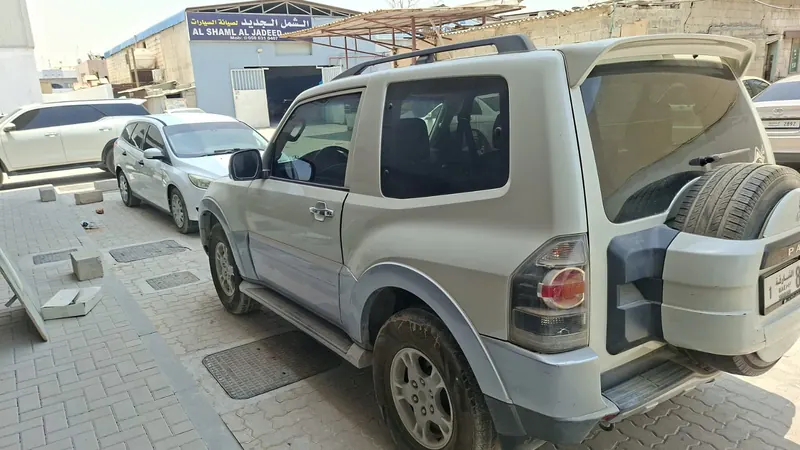
Speed bumps, potholes, rough industrial-area roads and heavy family SUVs all take a toll on suspension. Suspension parts wear gradually, so the first sign is often a new noise rather than a change you can feel. Here's how to decode the most common suspension noises — and which ones mean you should get the car checked straight away.
Knocking or clunking over bumps
A dull knock or clunk when driving over speed bumps or rough roads is the most common suspension complaint. Usual causes:
- Worn anti-roll bar links or bushes — very common, usually a light knock on uneven roads
- Worn shock absorber or strut mounts
- Worn control arm bushes
- Worn ball joints — these need prompt attention, as a failed ball joint can affect steering control
Clunk or click when turning
A clicking noise when turning sharply, especially in car parks, often points to a worn CV joint on a front-wheel-drive car — frequently caused by a torn CV boot letting dirt in. A clunk when turning the steering at low speed can also come from strut top mounts or steering components.
Squeaks and creaks at low speed
Squeaking over bumps or when the car rocks is often dry or worn rubber bushes — common in hot, dusty conditions. It's usually not urgent, but worn bushes change the suspension geometry and can speed up tyre wear.
Bouncing, floating or nose-diving
If the car keeps bouncing after a bump, feels floaty on the highway or dips heavily under braking, the shock absorbers are likely worn. Worn shocks increase braking distances and reduce grip — a safety issue, not just comfort.
Humming or droning that rises with speed
Strictly speaking this is usually a wheel bearing rather than suspension, but it's often mistaken for it. The noise typically changes when turning left or right as the load shifts across the bearings.
When to stop driving and get it checked
- A loud bang followed by the car pulling or the steering feeling different
- Heavy knocking combined with vague or wandering steering
- A wheel that looks like it's sitting at an odd angle
How we find suspension noises
We road-test the car to reproduce the noise, then inspect it on the lift — checking bushes, links, ball joints, shocks, mounts, CV joints and wheel bearings for play and wear. You get a clear list of what's worn and what's urgent before any work starts. After suspension work, a wheel alignment is often needed, and on cars with driver-assist systems the cameras and radar may also need checking — see when ADAS calibration is required. Suspension repair is part of our mechanical repair service in Industrial Area 6, Sharjah.
Quick answers
What causes a knocking noise over speed bumps?
The most common causes are worn anti-roll bar links, suspension bushes, strut mounts or ball joints. A workshop can find the exact part by checking for play with the car lifted.
Is it safe to drive with a suspension noise?
Squeaks from dry bushes are usually not urgent, but heavy knocking, clunks with vague steering, or a sudden bang should be checked straight away, as ball joint or mount failures can affect control.
Do I need a wheel alignment after suspension repair?
Often, yes. Replacing parts such as control arms, tie rods or struts can change the wheel angles, so an alignment is usually recommended afterwards.
New knock or clunk from the suspension? Book an inspection.